

Should You Keep the Heat On or Winterize When Selling a Vacant House in Troy, NY?
The situations described here are composites drawn from the types of jobs and decisions we encounter regularly. Names and specific figures are illustrative.
The house was a 1920s two-story colonial in Lansingburgh, in north Troy, with a gas furnace, a 2009 water heater, and copper supply lines running along an outside wall of the kitchen. The owners had taken a job in another state and moved out on September 15. By the time they called us in October, the house had been empty for five weeks, they were paying for two homes, and they had one question about selling a vacant house in Troy, NY before winter: leave the heat on, or shut everything down and drain the pipes? The number that mattered most was not the list price. It was the 60-day vacancy limit printed in their homeowners policy.
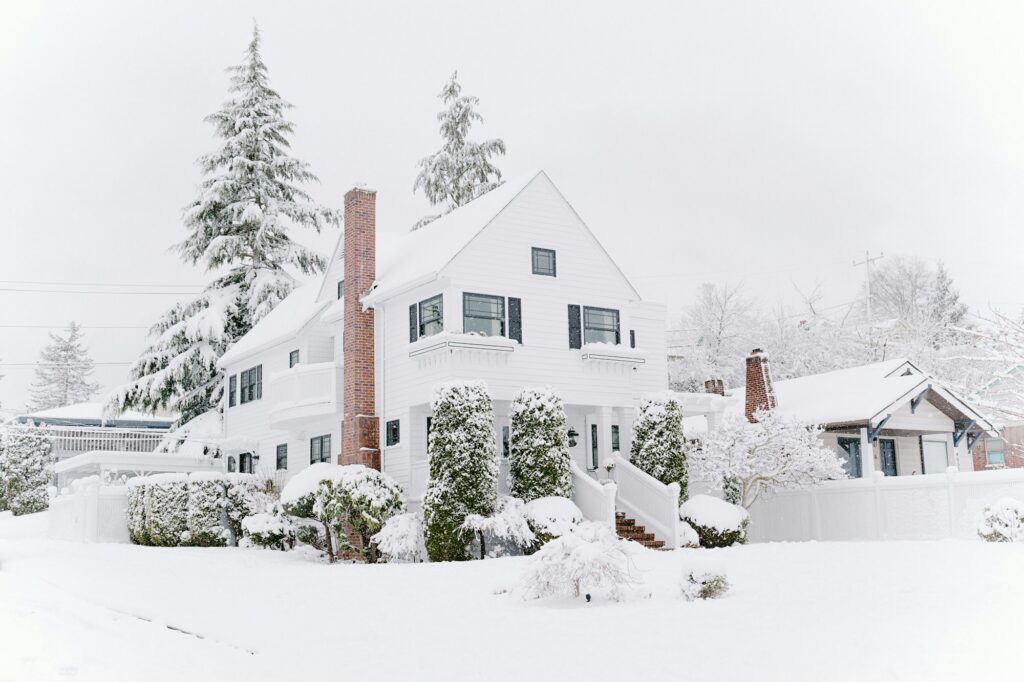
What the empty house actually had going for it, and against it
On paper this was an easy listing. Three bedrooms, a full basement, a detached garage, and a street where houses in that condition move when they are priced right. The owners had already done most of what we normally ask sellers to do: they had cleared out, patched the nail holes and painted the front rooms. An empty, clean house photographs well and shows easily, because nobody has to leave for an appointment.
The problems were the ones nobody sees in listing photos. No one was living there to notice a dripping supply line, a furnace that quit overnight, or a basement window left unlatched after a showing. The kitchen sink sat on an exterior wall, which is one of the spots the American Red Cross lists as most likely to freeze, along with pipes in unheated basements and under kitchen cabinets.[1] And the calendar was moving against them. By late October, the National Weather Service office in Albany has wrapped up its frost and freeze alerts for the Hudson Valley, because outside the growing season it does not issue those headlines at all.[2] From that point on, nobody sends a warning before the first hard night. The house would just get one.
The insurance clock that had already started
The owners assumed their homeowners policy covered the house the same way it had for eleven years. That was the misconception that mattered most. GEICO’s own guidance on unoccupied homes says most standard homeowners policies contain vacancy provisions that can limit or exclude certain coverages once a home has been empty for a set period, often 30 to 60 consecutive days.[3] The same guidance lists the kinds of losses that can drop out once that threshold is reached: vandalism, malicious mischief, glass breakage and some types of water damage.[3] Those are exactly the losses an empty house in a Troy winter is most exposed to.
Their declarations page put the limit at 60 days. Counting from September 15, that meant the policy’s vacancy language would start to apply around November 14, roughly three weeks after the listing went live. If a pipe let go on day 61, they could be looking at a water claim the carrier was not obligated to pay, on a house they were trying to sell. GEICO points owners in that spot toward a vacant home endorsement or a separate vacant property policy, and toward calling the insurer before the house sits empty.[3] They made that call the same afternoon.
Here is the timeline as it looked on the kitchen counter that day.
| Date | What happened | Days empty |
|---|---|---|
| September 15 | Owners move out; furnace left at 66 degrees | 0 |
| October 22 | Strategy call; insurer contacted about vacancy | 37 |
| October 30 | Listing goes live with vacancy endorsement in place | 45 |
| November 14 | Policy’s 60-day vacancy limit would have applied | 60 |
| Early December | Accepted offer; buyer’s inspection with water and heat running | About 80 |
Heat on, or drain it and walk away
Winterizing sounds like the safer choice to most owners who have already moved, and for some houses it is. If a house has no reliable heat, or plumbing in a crawl space that cannot be kept warm, shutting off the water and draining the lines takes the freeze risk off the table. The tradeoff shows up the moment a buyer gets serious. A buyer’s inspector wants to run every faucet, fill the tubs, check the water heater and look for leaks under pressure. A drained house has to be brought back to life for that, then possibly drained again if the deal falls apart, and any leak that shows up during the refill becomes the seller’s problem in the middle of a negotiation.
Keeping the heat on costs money every month, but it keeps the house showable and testable. The Red Cross guidance for anyone leaving a home during cold weather is to leave the heat on and set it no lower than 55 degrees, keep it at the same setting day and night, and open kitchen and bathroom cabinet doors so warmer air reaches the plumbing.[1] In an empty house, 55 also reads as cold to a buyer walking through in a coat. We settled on a steady 60, which kept the kitchen wall pipes above the line and kept the rooms from feeling abandoned during showings.
This is how the three paths lined up for this particular house.
| Option | Showings and inspection | Main risk | Carrying cost (this house) |
|---|---|---|---|
| Heat on at 60, water on | Shows normally; inspector can test everything | Furnace failure or power loss with nobody there | About $180 a month in gas plus endorsement |
| Drained and winterized | Cold showings; plumbing must be re-filled before inspection | Leaks found late, during the deal | Plumber visit to winterize, another to restore |
| Cash sale as-is | No showings or repair requests | Lower price than an open-market sale | Ends in as little as 7 to 14 days |
The third row was a real option, not a footnote. Some owners who have already moved would rather take a lower number than carry an empty house through January, and the as-is cash offer program exists for that situation.
“When a house is already empty, we put both numbers in front of the seller: what it should sell for on the open market, and what we would pay for it as-is, with no repairs and a closing in as little as 7 to 14 days. Then they decide which one fits.”
Anthony Gucciardo, Broker/Owner, Gucciardo Real Estate Group
These owners compared the two figures and listed. The gap was wider than a winter of gas bills, and the house was in good enough shape that an open-market buyer would pay for it.
What we set up so nobody was guessing
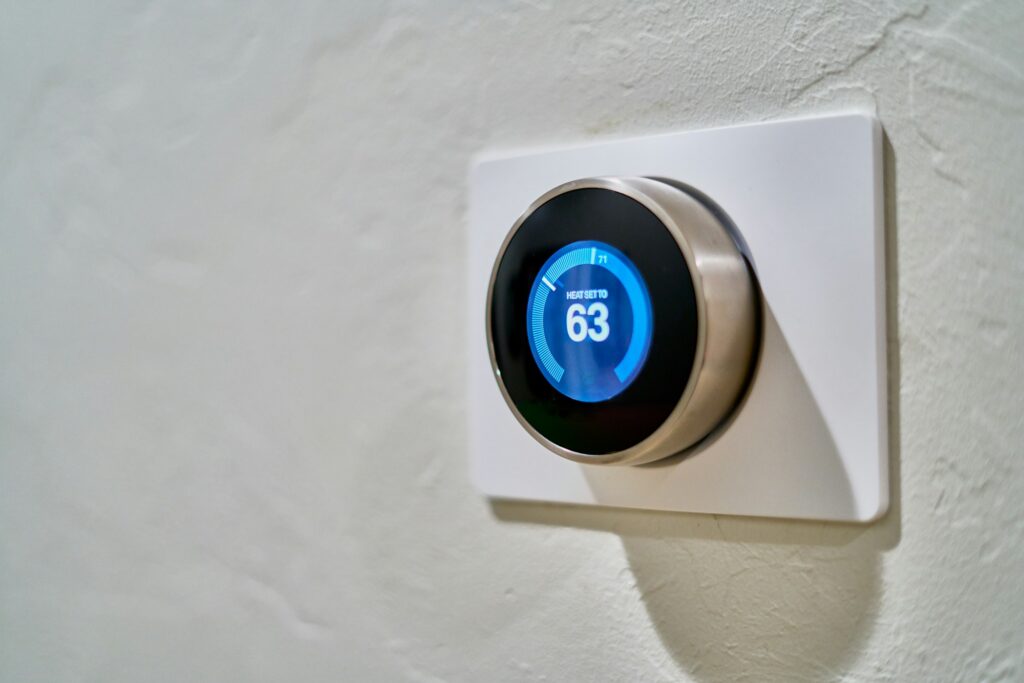
Keeping the heat on only works if someone knows when it stops. The owners installed a Wi-Fi thermostat that sent a phone alert if the inside temperature dropped below 50. A neighbor two doors down agreed to walk through once a week, and our agent checked the basement and under the sinks after every showing weekend. The cabinet doors under the kitchen and bathroom sinks stayed open the whole listing period, with a small sign asking showing agents to leave them that way. Outside hose bibs were shut off from the inside valve and drained, since those are the first pipes the Red Cross lists as exposed to severe cold.[1]
None of it is complicated. Most of it is the same list we walk through in our Albany winter home maintenance checklist for sellers, adjusted for a house where nobody is home to notice when something changes. The roof and gutters had been cleaned in September, so the ice dam issues covered in our Capital Region ice dam guide were less of a worry on this one.

Why a burst pipe would have followed them to the closing table
There was a second reason to avoid water damage beyond the repair bill. Since March 20, 2024, New York sellers can no longer hand the buyer a $500 credit at closing instead of filling out the Property Condition Disclosure Statement, and the form now carries new questions on flood risk and flood insurance.[4] Sellers have also been required to disclose indoor mold since June 2023.[5] A pipe that bursts in an empty house and sits for a week is how a clean kitchen wall becomes a mold question. Once that happens, the seller knows about it, and it belongs on the form.
In this case nothing happened. The thermostat alert never went off. The buyer’s inspector ran every fixture with the heat on, found a slow drip at the laundry tub valve and noted the age of the furnace. The drip was a $40 washer, and the furnace became a modest credit. The owners answered the disclosure questions honestly with nothing to explain.
The questions sellers in this spot usually ask
Most owners who have already moved ask some version of the same few things. The first is whether they really need to tell the insurance company the house is empty. Our answer is that the policy wording decides it, not us, and the vacancy limit is usually somewhere in the 30 to 60 day range.[3] Reading the declarations page takes five minutes. Finding out after a claim takes much longer.
The second is what temperature to leave it at. The Red Cross floor for an empty house in cold weather is 55 degrees, held steady day and night.[1] For a house that is being shown, a few degrees above that tends to work better for buyers walking through.
The third is whether a vacant house sells for less. In our experience, an empty house that is clean, warm and well lit shows fine. An empty house that is cold, smells closed up and has a drained toilet with a “do not use” sign on it tells buyers something they will use in the negotiation. Timing matters too, and we covered the October side of that in whether it makes sense to list in October.
What this one comes down to
The Lansingburgh owners spent roughly $500 on gas and the endorsement over about three months and closed in mid-January. They also spent a few nights wondering whether the furnace was still running, which is part of the cost nobody puts in a spreadsheet. If the house had older plumbing in a crawl space, or no neighbor willing to check on it, winterizing or the cash route would have made more sense, and we would have said so.
The pattern holds for most sellers we see in north Troy, Lansingburgh and the rest of Rensselaer County: when you are selling a vacant house in Troy, NY after October, the vacancy clause and the heat plan need to be settled before the listing goes live, not after the first cold snap. If you want to see how we plan a listing from the first strategy call through closing, our seller services page lays it out.
Sources
- Frozen Pipes, American Red Cross
- National Weather Service Albany’s Frost/Freeze Program (Fall 2024), NOAA National Weather Service, Albany NY
- What Insurance Do I Need for an Unoccupied House?, GEICO (2026)
- Breaking News: New Rules on Property Condition Disclosure and Flood Risk Go Into Effect Today, New York State Bar Association (2024)
- Listing a Home for Sale or Buying a Home? New Changes to PCDS, McConville Considine Cooman & Morin, P.C. (2024)


