

How Do You Sell a Home With an Old Roof in Albany, NY After an Ice-Dam Winter?
The situations described here are composites drawn from the types of jobs and decisions we encounter regularly. Names and specific figures are illustrative.
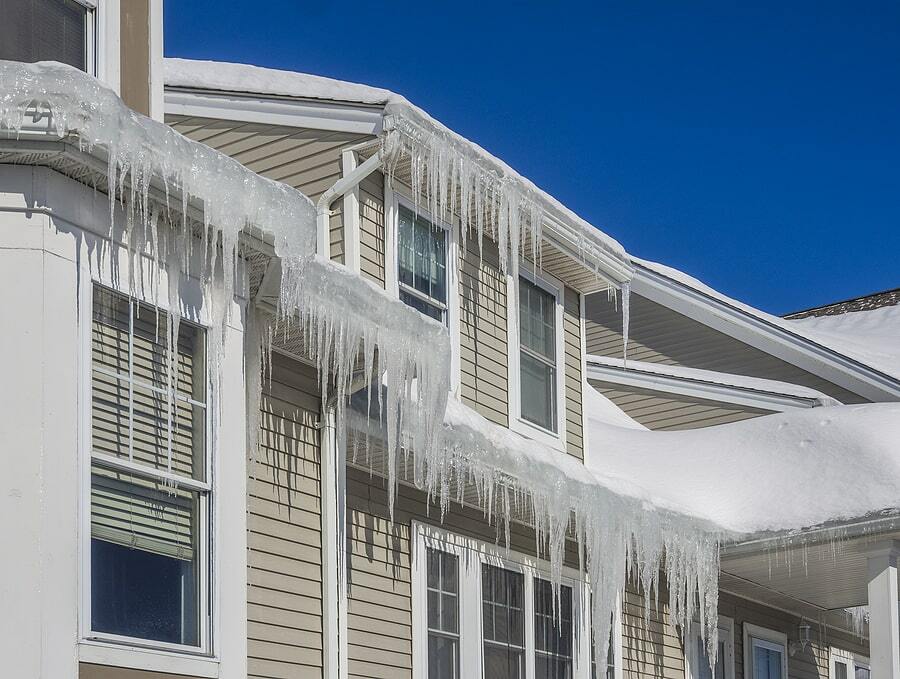
The call came in the second week of May, after the last hard frost let go of the Capital Region. A Colonie homeowner had raised her kids in the house, watched the snow come off the roof one final time, and decided this was the year to downsize. The problem was the ceiling in the back bedroom. Two brown rings appeared in late January, a third bloomed in March, and the ice along the eaves had finally done what ice in Albany does. selling a home with an old roof in Albany, NY is the most common conversation we have between April and June, because the damage from January and February is not visible until the thaw is complete, and by then the listing clock is already ticking.
She wanted to know one thing on that first call. Did she need to replace the roof before we listed, or could the house go to market the way it was.
Where the conversation usually starts
The honest answer is that it depends on what the roof actually looks like, not what the homeowner thinks it looks like. We drove out the next afternoon. The shingles were original three-tab asphalt, curling at the south-facing edges, with the granular surface worn down to the dark mat in several rows above the gutter line. The flashing around the chimney had separated. Inside the attic, the insulation in the eave bays was matted and dark where meltwater had run down the rafters for years. The stains on the bedroom ceiling were the visible part of a slower story that had been happening above the drywall since the house was about fifteen years old.
This is the moment where most sellers expect to hear a number. They want to know what a new roof costs in Colonie this year, what the house is worth with the new roof, and whether the math works. The math is the easy part. The harder question is what kind of buyer is actually going to walk through this house in June, and what that buyer is going to see when they look up at the eaves from the driveway.
The three roads on the table
We laid out what she could realistically do. The first option was a full tear-off and replacement before the listing photos. The second was to list as-is, price for the condition, and let the market sort it. The third was to disclose the condition up front, hold the price closer to comparable homes with sound roofs, and offer a closing credit when an offer came in.
Each path comes with a different buyer at the other end of it.
A fresh roof in May brings the broadest pool. Conventional financing has no concern. FHA and VA underwriters do not flag the file. Inspections come back clean on the most expensive system in the house, and the conversation at the kitchen table after the showing is about the kitchen, not the eaves. The downside is the cost of the roof, the two to four weeks of project time before the photographer can come, and the fact that the seller is writing the check before any of that capital comes back at closing.
As-is means a smaller pool. The cash investors will come. The handful of buyers who specifically want a project and have the down payment to absorb a roof in their first year will come. Almost everyone else, including most first-time buyers on FHA loans, will pass on the showing the moment their agent reads the disclosure. The seller saves the cost of the roof but typically gives up more than the roof would have cost in the spread between the listing price and the eventual offer.
The credit at closing is the middle road, and it is the one we walk down most often when the roof is functional but tired. The house gets shown to the wider pool. The price holds closer to the comparable homes. The credit gets negotiated after the inspection, and the buyer either applies it to a new roof in their first year or uses it for closing costs and lives with the existing roof for a few more seasons.
What the ice dam changed
The Colonie ceiling was the thing that complicated her decision. A tired roof is one conversation. A tired roof with visible interior water damage is a different conversation, because the question is no longer about the future cost of replacement. It is about the current condition of the structure underneath, and any inspector is going to want to know whether the sheathing is rotted, whether the insulation is compromised, and whether there is mold in the cavity above the bedroom ceiling.
We had a contractor pull a small section of drywall in the affected area before any listing photos were taken. The sheathing had darkened but had not failed. The insulation in two bays needed to come out. There was surface mildew but no structural mold. The repair was a few thousand dollars of carpentry and drywall work, not a five-figure remediation, but knowing that before going to market changed the entire posture of the listing.
Without that information, she would have been guessing at how a buyer’s inspector would react. With it, she could disclose what she knew, document what had been repaired, and frame the roof itself as the one remaining question.
What we told her to spend money on, and what to walk away from
She asked, as most sellers do, whether she should also paint the bedroom, refinish the floors, replace the bathroom vanity, and do something about the kitchen backsplash. The answer was no. None of that improves the only thing the buyer is going to be thinking about when they see the year on the roof. The ceiling repair was non-negotiable because it cleared a structural question. The cosmetic projects would have stretched her preparation timeline into July and would not have moved the offer.
Where she did spend was on getting an energy audit and a written quote for a roof replacement from a local roofer she trusted. The audit gave us something concrete to put in the listing remarks about attic insulation and air sealing, which matters in this market because buyers ask. The quote gave us a real number to point to when the credit conversation started. We did not publish the quote, but we had it. The same kind of energy audit and air sealing work that we recommend for Upstate NY houses before listing is also what would have prevented the ice dams in the first place, which is the thing most homeowners realize only after the damage is already inside the house.
The questions homeowners ask in this situation
Most sellers in this situation want to know whether buyers will even consider a house with an old roof. They will, but the pool narrows by financing type. Conventional buyers usually proceed as long as the roof is not actively leaking. FHA inspectors flag missing or curled shingles and require remaining useful life documentation in some cases. VA loans are the strictest. The agent showing the house will know within a week of the listing going live which financing categories are coming through the door.
The other question is whether disclosure of past ice-dam damage will scare buyers off. It rarely does, when the repair is documented and the cause is explained. Ice dams in the Capital Region are not exotic. Almost every buyer touring an older home here has either had them in a previous house or knows someone who did. What scares buyers is undisclosed damage discovered in an inspection. What does not is a clear story about what happened, what was fixed, and what the seller chose not to fix and why.
A third question, less often asked but more important, is when in the year to list a house with this kind of history. The honest answer is not in February. A roof under snow is not photographable, the eaves still have ice, and any meltwater stains inside are still actively expanding. The right window is late April through early June, after the freeze-thaw cycle is complete and any damage has fully revealed itself. That is also, conveniently, when buyer traffic is heaviest, which is why so many of these conversations land in our office in May.
What happened with the Colonie house
She chose the credit at closing. We repaired the ceiling, documented the work, gathered the roofer’s replacement quote, and went to market in the first week of June at a price that reflected the condition without absorbing the full cost of a new roof. The first showing weekend produced three offers. The accepted offer came in slightly under list with a roof credit at closing equal to about sixty percent of the replacement quote. The buyers were a conventional couple in their forties who already knew the neighborhood and had walked through with the assumption that the roof would need attention. The inspection produced no surprises because the disclosure had already told the story.
She netted less than she would have with a brand-new roof in place, but she also did not spend the seven weeks and the up-front capital that a replacement would have required, and her listing went live during the part of the year when buyer traffic in the Capital Region is at its highest. The math worked, and more importantly, the timeline worked for what she needed next, which was to be under contract before the start of summer so she could close and move into her next place before the school year began for the buyers.
What we walk away from these conversations remembering is that selling a home with an old roof in Albany, NY is not really a question about roofs. It is a question about which buyer the listing is being prepared for, what that buyer’s financing will tolerate, and how much of the seller’s capital is worth tying up in a system that is being depreciated by the next owner anyway. The roof is the visible part of the decision. The decision itself is about timing, pricing, and how much certainty the seller wants to buy before the listing goes live.
For sellers thinking through this kind of decision, our sellers resource page covers how we prepare older homes for the Capital Region market, and the listing inquiry page is the right place to start when the question is more specific to one house. A separate breakdown of winter home maintenance ahead of an Albany listing covers what to do before the next freeze if a sale is twelve to eighteen months out and there is still time to prevent the damage rather than react to it.


