

What Does Selling a House in a Flood Zone in Schenectady, NY Look Like After an Old Flood Claim?
The situations described here are composites drawn from the types of jobs and decisions we encounter regularly. Names and specific figures are illustrative.
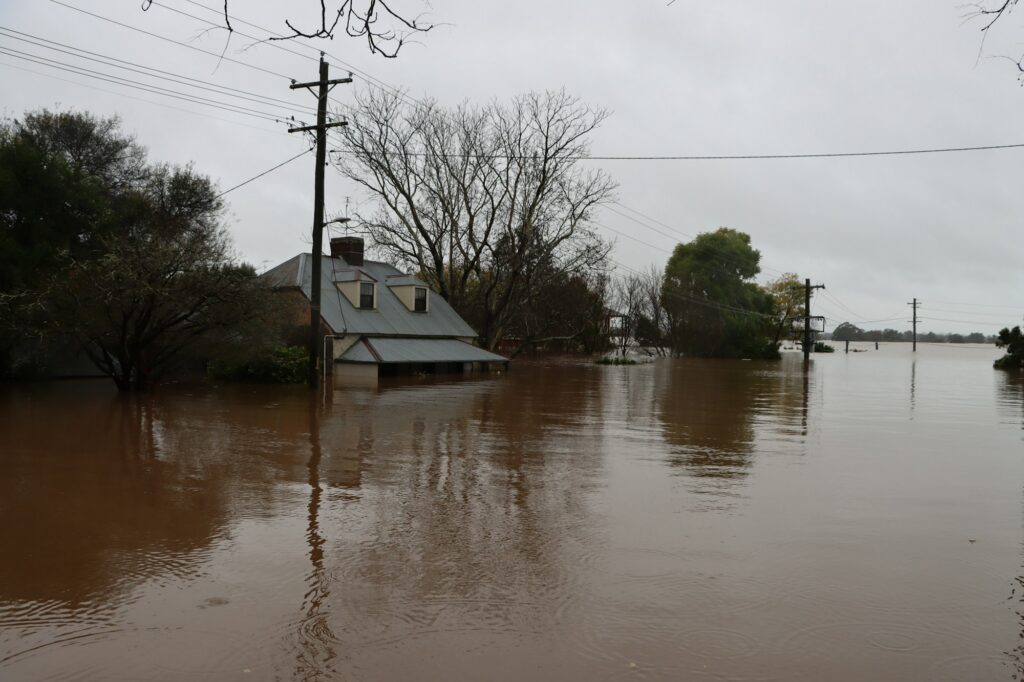
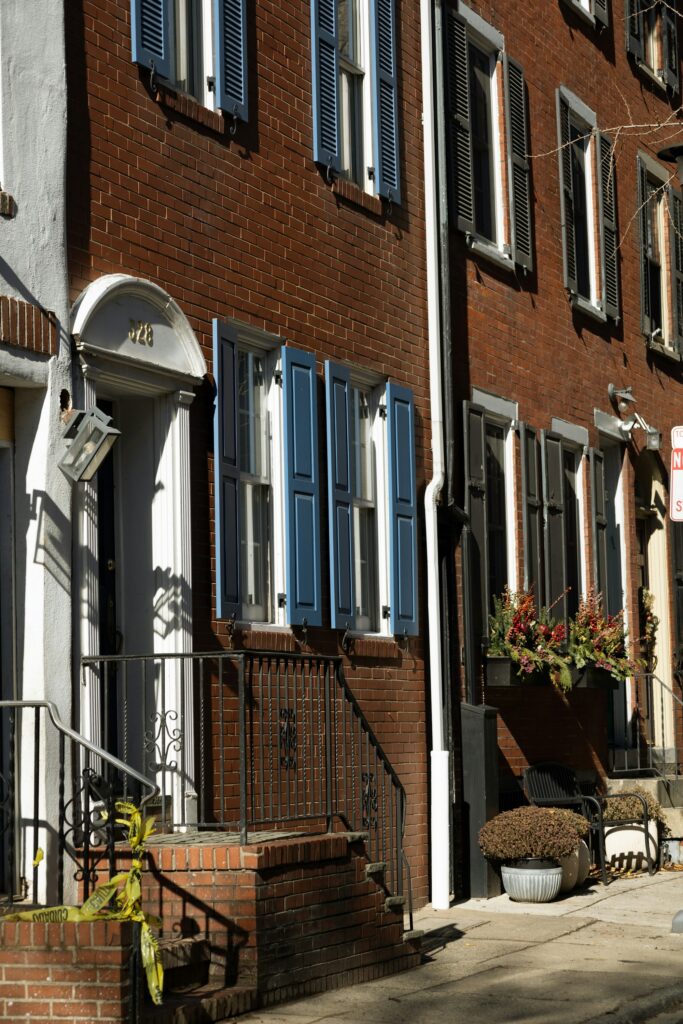
The house was an 1880s three-story brick rowhouse in the Stockade, two blocks in from the Mohawk River, with a stone basement, a gas furnace and a small backyard. The owners were moving closer to family and wanted to list in November. In January 2018 an ice jam had pushed river water into their basement, and their flood policy paid a claim of about $14,600 for a furnace, a water heater and cleanup. Their question about selling a house in a flood zone in Schenectady, NY was simple: does that old claim have to go on paper, and will it scare buyers off? The answer to the first part is yes. New York’s disclosure form now asks it directly.[1]

What changed on the disclosure form in 2024
For years, many New York sellers never filled out the Property Condition Disclosure Statement. They gave the buyer a $500 credit at closing instead, and many attorneys, especially downstate, advised exactly that. A 2023 amendment took the credit out of the law, effective March 20, 2024.[1] The same change added seven flood questions: whether the property sits in a FEMA 100-year or 500-year floodplain, whether federal law requires flood insurance on it, whether the owner ever received FEMA flood assistance, whether there is current flood insurance, whether there is a FEMA elevation certificate, and whether a flood claim was ever filed with an insurer.[1] The form now runs to 56 questions.[1]
These sellers had bought the house in 2009. Back then, the flood history of a Stockade house mostly traveled by word of mouth. Now it travels on a signed form, and a seller who gives the form is liable for actual damages if an answer is willfully untrue.[1] That settled the first question before the listing paperwork was even drafted.
Why a Stockade address raises the question in the first place
The Stockade is the city’s oldest neighborhood, and it sits right along the Mohawk. In the winter of 2018 a miles-long ice jam pushed water into the neighborhood and some residents had to leave their historic homes.[2] It does not flood end to end. The head of the neighborhood association put it as “not the whole neighborhood, but it’s a significant portion of it,” with Ingersoll Avenue among the streets hit hardest in past floods.[3] That is why two houses a few blocks apart can carry very different answers on the same form.
This house sat inside the mapped high-risk area. On FEMA’s maps, zones A and AE are the high-risk flood areas, and in communities that take part in the National Flood Insurance Program, flood insurance is mandatory when the mortgage is federally backed.[4] The lender notice buyers receive spells out the odds: a 1 percent chance of a base flood in any year, which works out to a 26 percent chance over a 30-year mortgage, and no loan without flood insurance.[5] Every financed buyer for this house was going to see that notice. The only open question was whether they would see the flood history from the sellers first, or from somebody else later.
Pulling the paper together before the sign went up
The sellers spent the last week of October in a filing cabinet. They found the 2018 claim letter, the receipts for the new furnace and water heater, and the current flood policy declarations page. They did not have an elevation certificate. FloodSmart says the first stop is the local floodplain manager, who may already have one on file, and if not, a land surveyor, engineer or architect has to complete one.[6] The city had one on file from an earlier permit, which saved the sellers the cost of a survey.
Here is how the flood section of their form lined up against the paper they had.
| Flood question on the form | This house’s answer | Paper behind it |
|---|---|---|
| In a FEMA 100-year floodplain? | Yes | Flood map printout for the parcel |
| Federal requirement to carry flood insurance? | Yes, through the existing mortgage | Lender flood notice from the 2009 purchase |
| Current flood insurance? | Yes | Policy declarations page |
| Elevation certificate? | Yes | Copy from the city’s floodplain office |
| Flood claim ever filed? | Yes, January 2018 | Claim letter, furnace and water heater receipts |
One more thing came out of that week. After the 2018 flood, the sellers had moved the new furnace and water heater up onto a raised platform. That was not on the form anywhere, but it was the first thing a buyer’s inspector would ask about once they read “claim filed.” The elevation certificate also notes the basement, which FloodSmart says is measured separately because basements are an indicator of flood risk.[6] If you have a basement like this one, it helps to know what that certificate says before a buyer’s insurance agent reads it for you.
The decision: list it with everything on the table, or take a cash offer
The sellers had a real alternative. Through our as-is cash offer program, we buy houses in any condition with no repairs, no inspections and no appraisal, and closing can happen in as little as 7 to 14 days. For an owner who does not want to answer flood questions in front of a stranger, or who cannot wait out a winter market, that is a reasonable path. It usually comes in below what an open-market sale can bring.
Here is how the two options lined up for this house.
| List on the open market | As-is cash sale | |
|---|---|---|
| Disclosure form | Full form, all flood questions answered | Still a sale of a house with a known history; no buyer lender involved |
| Buyer pool | Financed buyers who must carry flood insurance | One buyer, no financing contingency |
| Timing | Weeks to a contract, then 30 to 45 days to close | As little as 7 to 14 days |
| Price | Set by comparable Stockade sales | Lower, in exchange for speed and certainty |
They chose to list. The house showed well, the paperwork was in order, and they were not in a hurry. What they wanted to know was whether the flood file would cost them more than the cash offer saved. We told them that depended on how it was presented, and on whether a buyer could get insured without surprises.
“Since March 20, 2024, a New York seller can’t hand over a $500 credit in place of the disclosure form, and the form now asks about flood zones, flood insurance and past flood claims.[1] On a river street, those answers are part of the property review on our strategy call, before the house goes on the market.”
Anthony Gucciardo, Broker/Owner, Gucciardo Real Estate Group
The flood policy that went with the house
The part that helped most was the existing policy. Under the National Flood Insurance Program, when an owner sells, the flood policy on the building can be transferred to the buyer. The seller cannot take it to the next house, because the premium is tied to that property and its flood risk.[7] The listing said the flood policy was available to transfer, and the declarations page went into the disclosure packet with the claim letter and the elevation certificate.
A buyer who would rather start fresh can do that too. A new NFIP policy normally takes 30 days to go into effect, but there is no wait when the policy is bought as part of making a mortgage. A standard homeowner building policy covers up to $250,000.[8] Either way, a financed buyer would close with coverage in place. That was the point of having the paperwork ready: nobody had to find out mid-contract what the insurance would cost.
For sellers who want the broader picture of how homeowners and flood coverage fit together, our guide to homeowners insurance in the Albany area covers the basics. Basement water that has nothing to do with the river is a separate issue, and the Capital Region basement moisture and sump pump guide deals with that.
What buyers asked, and what the sellers had ready
The first showings brought the same few questions. Most buyers asked whether “claim filed” meant the house was damaged now. The sellers’ answer was the receipts: what flooded, what was replaced, and the raised platform under the new equipment. Several asked whether the house would flood again. Nobody can promise that, and the sellers did not try. They pointed to the 26 percent figure on the lender notice, the one every financed buyer in a high-risk zone receives.[5]
One buyer’s agent asked whether a 500-year floodplain answer means the same thing as a 100-year one. It does not. In FEMA’s high-risk A zones, flood insurance is mandatory for federally backed mortgages, while in the moderate and low-risk zones it is recommended rather than required.[4] That matters for houses on the higher Stockade streets, where the form can read very differently. Another buyer asked whether they could challenge the flood zone. The lender notice says a lender and borrower can jointly ask FEMA to review whether the property is in a special flood hazard area.[5] For this house, with a paid claim on record, there was not much to argue.
The timeline was short. The paperwork came together in late October, the house listed in early November with the flood packet available to buyers, and an offer from a buyer with a conventional loan came in the third week. The inspection in mid-December brought no flood-related renegotiation, the policy transfer was arranged, and the sale closed in early January.
Where the money actually landed
The house sold about 3 percent under the asking price, which was in line with what similar Stockade rowhouses had done that year. The sellers had braced for a flood discount on top of that, and it did not come. The buyer’s inspector spent more time on the 1880s roof flashing than on the basement. The one concession was a small credit for a cracked basement window well, which had nothing to do with the river.
Where the flood history could have cost money was timing. A buyer who learned about the 2018 claim from an insurance quote two weeks into the contract would have had a reason to walk or renegotiate. Here, the buyer read it on the form before making an offer, priced it in, and moved on. Sellers sometimes assume that disclosing less protects the price. With the flood questions now on the form, the history comes out either way. The only choice left is when.
What this means if your house sits near the river
Not every house near the Mohawk is in a high-risk zone, and not every flooded basement led to a claim. If yours did, the paperwork is the asset: the claim letter, what was replaced, the policy, and the elevation certificate if one exists. If you are not sure what zone you are in or whether a certificate is on file, the city’s floodplain office is the first call. Our seller services page lays out how we prepare a listing, and the flood section of the form is now part of that preparation.
The sellers in this story did not get a higher price for being organized. They got the price the house was worth, without a second negotiation in December. For anyone weighing selling a house in a flood zone in Schenectady, NY, that is usually the realistic goal. If you want to talk through your own situation, you can reach out to Anthony here.
Sources
- Property Condition Disclosure Act Amended; New Requirements Go Into Effect in March, New York State Bar Association (2024)
- Schenectady Gathering Input For Stockade Flood Mitigation, WAMC Northeast Public Radio (2018)
- Schenectady’s Stockade residents used to flooding, WNYT NewsChannel 13 (2022)
- What Is My Flood Zone?, FEMA National Flood Insurance Program (FloodSmart)
- 12 CFR Part 339, Appendix A: Sample Form of Notice of Special Flood Hazards, Electronic Code of Federal Regulations
- Get an Elevation Certificate, FEMA National Flood Insurance Program (FloodSmart)
- Flood Insurance FAQ: Expert Answers for Your Clients’ Concerns, FEMA National Flood Insurance Program (FloodSmart for Agents)
- Buy a Flood Insurance Policy, FEMA National Flood Insurance Program (FloodSmart)


