

What Does Selling a Home in Colonie, NY Look Like When Only About 2,000 Listings Cover the Capital Region?
The situations described here are composites drawn from the types of jobs and decisions we encounter regularly. Names and specific figures are illustrative.
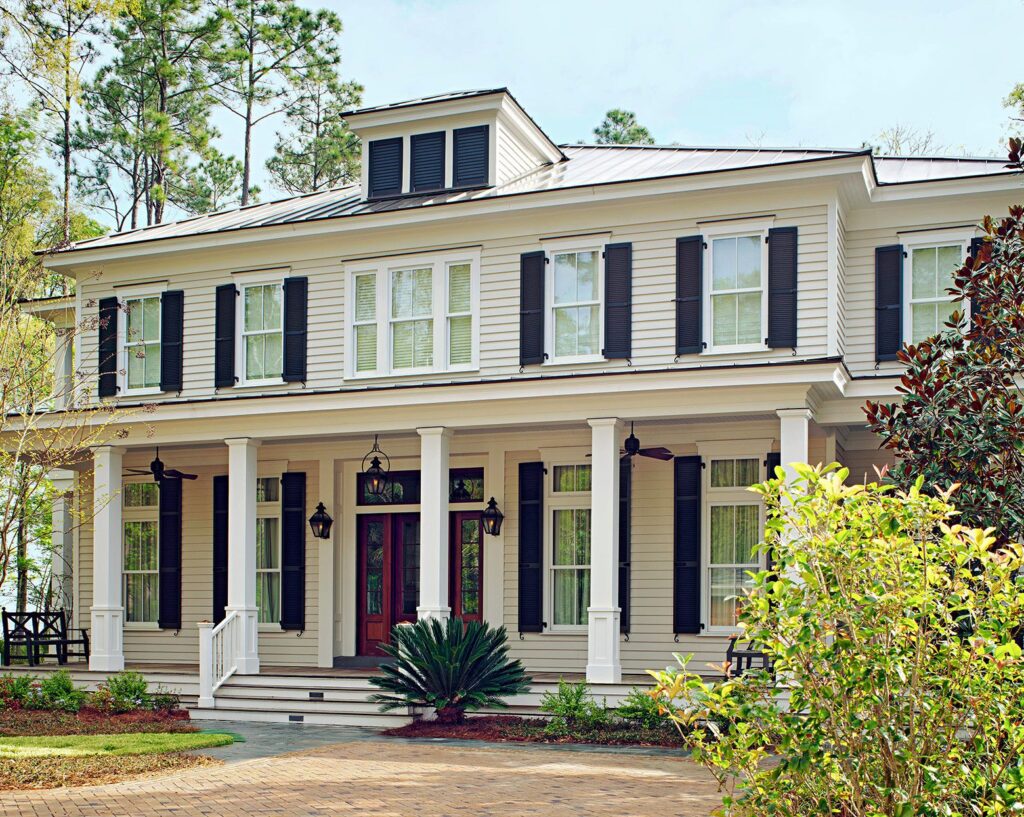
The couple owned a four-bedroom colonial in Niskayuna. Their agent reviewed recent closed sales in the neighborhood and suggested a list price of $389,000. They had also looked at an online estimate, which showed a much higher figure, and they wanted to start at $425,000. The reasoning was understandable. If the market was this tight, why not test the high end? That question sits behind a lot of selling a home in Colonie, NY and the towns around it.
Thirty-eight days at $425,000
They listed at $425,000. In the first 38 days they had two showings and no offers. Niskayuna’s buyer pool is smaller and better qualified, so overpricing by even a few percent can leave a listing sitting while those buyers move on to other homes. At more than 9 percent above the agent’s recommendation, the signal to buyers was not that the house was special. It was that the seller was not realistic.
They dropped to $399,000. Another three weeks passed with nothing. By then buyers assumed something was wrong with the house, because a listing that sits for two months looks that way in any market. It sold at $381,000, which was $8,000 below the number their agent had first recommended.
A seller in that position might say they worried about leaving money on the table at $389,000, and ended up leaving more of it on the table at $425,000 and then chasing the market down. Online estimates are the usual cause. Two automated tools can disagree on the same house by tens of thousands of dollars, and neither is built from the closed sales a local agent would actually use. A look at how two free valuations came back $40K apart in Albany shows the problem clearly.
What a tight market really means
Active residential listings across the Capital Region fell 7.7% over the year ending in May 2026, from 2,140 to 1,975, according to the Greater Capital Association of Realtors. That is a meaningful drop, and it supports sellers. Other figures vary by month and source, so they are better treated as ranges: months of supply has been in the low two-month range, well below a balanced market, and typical sale prices have been running in the neighborhood of $340,000 and rising a few percent a year. Check the latest month’s report for exact numbers.
These are regional averages, and a neighborhood tells a more specific story. Colonie draws a broad buyer pool of young families, downsizers and investors competing for the same inventory. Split-levels in established neighborhoods tend to move quickly when priced from recent comps. Latham attracts empty nesters trading a larger home for something right-sized, and buyers who want Capital Region access without Albany city taxes. Niskayuna sits at a higher price point with a smaller, more qualified pool.

How a real comparative market analysis gets built
A comparative market analysis uses closed sales, adjusts for condition, size and lot, and explains the reasoning. An example of how one gets built is in the story of a Niskayuna split-level priced from seven comparable sales. There are two defensible strategies in a tight market: price at market and let the data do the talking, or price slightly below and let multiple offers push the final number above asking. Both work. Pricing above the comparables and hoping scarcity does the rest generally does not.
Why October can help a seller who prices it right
The couple’s timing was not wrong. October and November tend to bring fewer competing listings, and the buyers still looking are usually serious and motivated to close before the holidays. With Saratoga’s track season over and families settled for school, a correctly priced house in that window often draws stronger offers. An account of a Latham empty-nester couple listing in October shows the first strategy working well.
Sellers in this spot usually ask whether to renovate first. The better answer is to pick the one repair or update that changes how the house shows, such as paint, lighting or a worn entry, and skip the rest. They also ask about taxes: it is worth confirming STAR eligibility before listing so that tax estimates shared with buyers are accurate. The page for sellers in the Capital Region lays out a typical timeline, and the option to sell your home directly is a different route worth comparing.

A short list a seller can keep
Before listing, three things are worth doing in the same week: request a comparative market analysis built from current closed comps and not an online estimate, confirm your STAR exemption status, and identify the single repair that will matter most at showings. None of it is complicated, and it is the order that tends to produce a clean first two weeks on the market.
The couple in this story did close. They lost about two months and a number they could have started with. For anyone selling a home in Colonie, NY, Latham or Niskayuna this fall, a tight market works in your favor, but only when the list price is built from the data.
If you’re looking for help selling a home in the Capital Region, you can reach out here.
Sources
- 518ish: Trending Tuesday, Inventory Grows (reporting Greater Capital Association of Realtors May 2026 Monthly Indicators)
- National Association of REALTORS: Research and Statistics
- New York State Department of Taxation and Finance: Types of STAR
- New York State Department of State: Real Estate Licensing


