New Build vs Renovation vs Existing Home: The Upstate NY Financing Playbook
Introduction
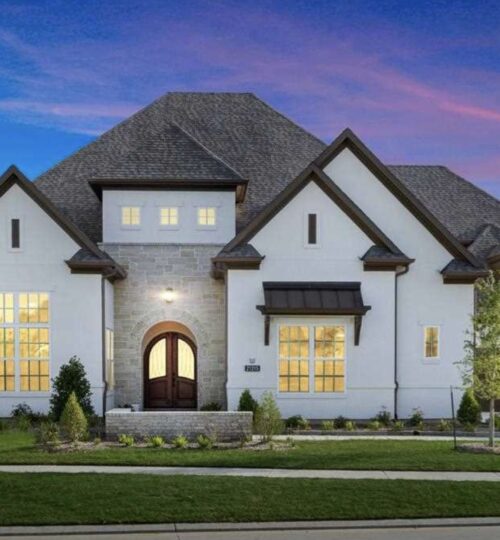
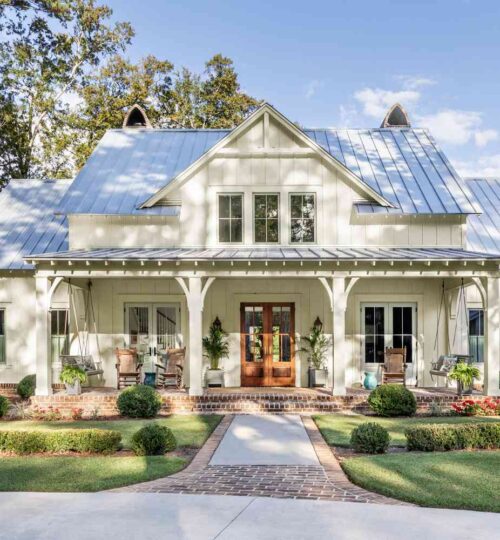
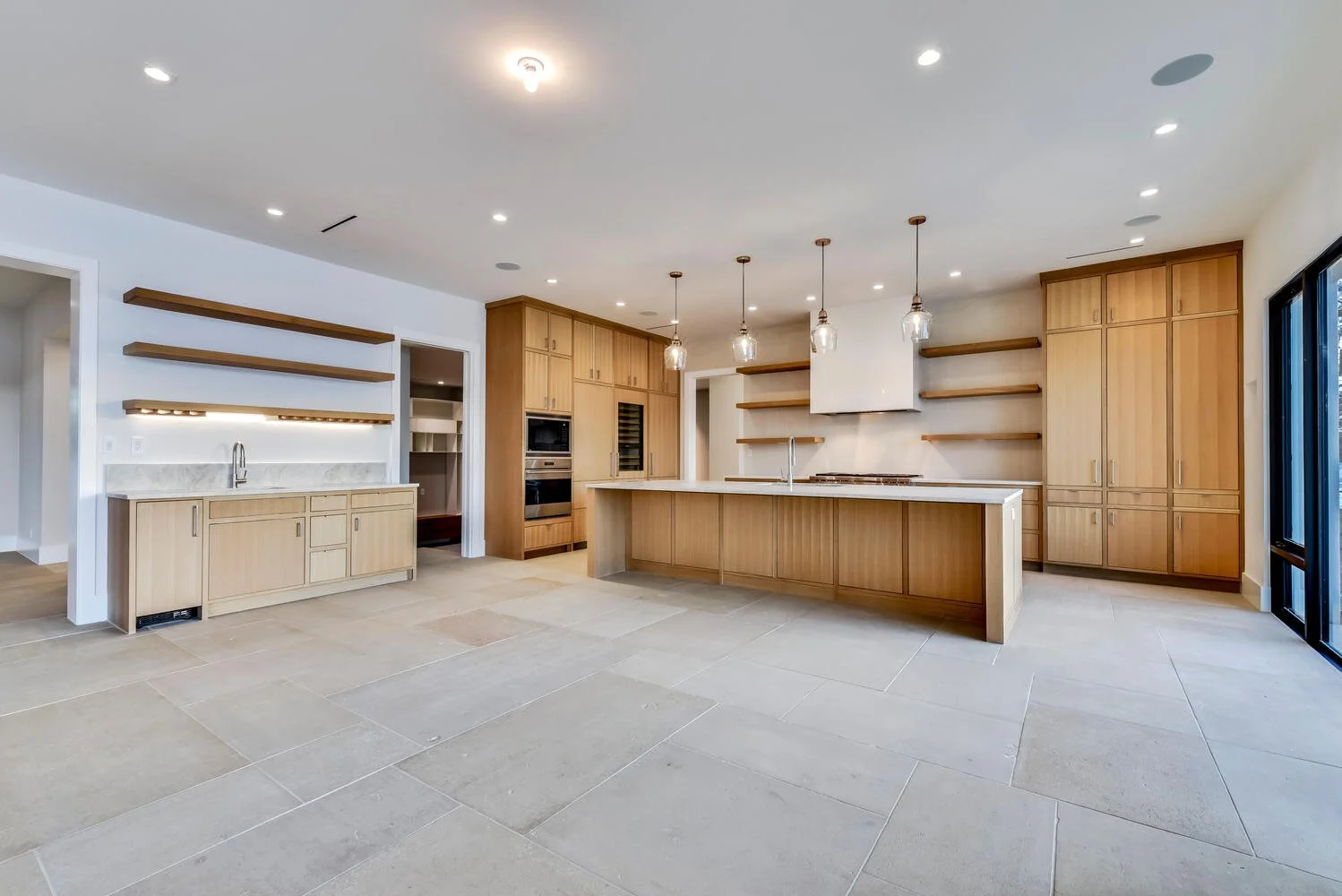
Upstate NY buyers usually face three paths. Build new. Renovate a place with good bones. Or buy a move-in-ready home. Each path has a different loan type, timeline, and risk profile. The right choice comes from your goals and constraints.
This guide shows how each option gets financed, what it really costs, and how to avoid common mistakes. It also gives you local, practical steps so you can move with confidence. If you want a trusted local perspective as you plan, Anthony Gucciardo can help you navigate the trade-offs and timing in today’s market.
Talking with experienced real estate agents Albany NY helps you understand which path aligns with real numbers, not assumptions. Local professionals see how construction costs, renovation timelines, neighborhood demand, and resale potential shift across the Capital Region. Their insight helps you choose an option that fits your goals while avoiding pitfalls that first-time and repeat buyers often miss.
Use this as a playbook. Set your budget. Decide your timeline. Pick the loan that fits the project. Then build the right team and close with fewer surprises.
What Drives the Right Choice in Upstate NY

- Target monthly payment and cash to close
- Timeline tolerance and move-in deadline
- Risk tolerance for scope changes or supply issues
- Neighborhood and lot availability
- Property taxes, utilities, and long-term upkeep
- Access to grants or down payment help
Visual: Decision Flowchart Place a simple flowchart here that starts with Budget and Timeline, branches to New Build, Renovation, or Existing Home, and ends with Closing and Move-in.
At-a-Glance Comparison
| Factor | New Build | Renovation | Existing Home |
|---|---|---|---|
| Typical loan | Construction-to-perm or construction-only | FHA 203(k), HomeStyle, HELOC, cash-out refi | Conventional, FHA, VA, USDA, SONYMA |
| Down payment | 5% to 20%+ plus budget for overruns | 3.5%+ for 203(k), 5%+ for HomeStyle, 0% HELOC if equity allows | 3% to 20%+, program dependent |
| Rates | Often higher during construction, then converts | Renovation programs slightly higher than standard | Usually the lowest of the three |
| Time to keys | 10 to 18 months on average | 4 to 9 months on average | 30 to 60 days on average |
| Appraisal method | Appraised on plans and specs | Appraised subject to completion | Appraised as-is |
| Main risks | Delays, cost overruns, rate movement | Scope creep, contractor risk, hidden defects | Competition, appraisal gaps, limited inventory |
| Best for | Specific design, energy efficiency, new systems | Location value plus customization | Speed, predictability, and established neighborhoods |
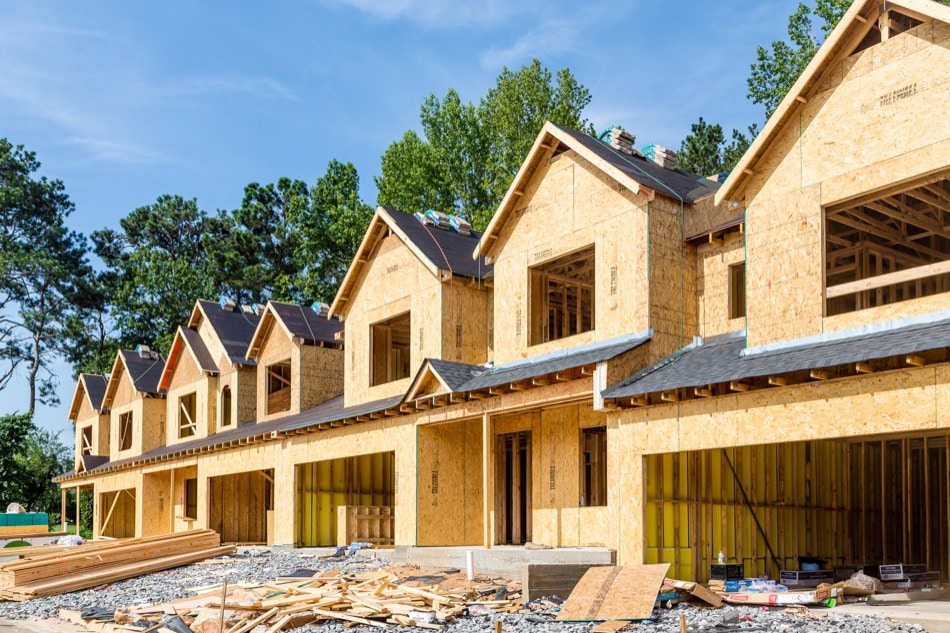
Financing a New Build in Upstate NY: How It Works
Loan Structures
- Construction-to-permanent (C2P). One closing. The loan funds draws during construction and converts to a fixed-rate or ARM when the home is finished.
- Construction-only. Short-term construction loan that you later refinance into a permanent loan. Gives flexibility if rates improve, but adds a second closing.
- Lot loan plus construction loan. Use if you buy land first. Many lenders roll the lot payoff into the construction loan later.
What Lenders Require
- Signed contract with a licensed, approved builder
- Plans, specs, and a detailed budget
- Permits or permit-ready status
- Appraisal based on plans
- Credit, income, and asset documentation
Down Payment and Cash Buffer
- Down payment. Often 10% to 20% of total project cost. Some lenders allow as low as 5% with strong credit.
- Contingency. Plan 10% to 15% over the build budget to cover overruns.
- Interest during construction. You usually pay interest only on funds drawn. Budget for this monthly.
Draws, Inspections, and Change Orders
- Funds release on a draw schedule. Each draw follows an inspection.
- Change orders increase cost and time. Set a firm process before you start.
- Keep a log of selections and deadlines. Late selections trigger delays.
Rate Locks for New Builds
- Ask about extended rate locks with float-down options.
- Know lock fees and re-lock rules. Align lock period with your build timeline plus buffer.
- Everything new and efficient
- Lower near-term maintenance
- Floor plan control
New Build Cons
- Longest timeline
- Higher risk of overruns
- More cash needed upfront
Renovating an Upstate NY Home: Loan Paths
Renovations fit buyers who want location value, character, or lot size, and who can manage scope and schedule. Your financing depends on how much work you plan.
FHA 203(k)
- Combines purchase and rehab in one loan.
- Standard 203(k) for major work. Requires a HUD consultant and licensed contractors.
- Limited 203(k) for smaller projects. Lower cap on repairs.
- Minimum 3.5% down for qualified borrowers.
- Allows contingency reserves to cover surprises.
Fannie Mae HomeStyle
- One loan for purchase and renovation. Works with a wide set of improvements.
- Minimum 5% down for qualified borrowers.
- Allows luxury items within limits if they add value and meet guidelines.
HELOC or Home Equity Loan
- Use when you already own a home and have equity.
- HELOC rates are variable. Home equity loans are fixed.
- Useful for phased projects or flexible draws.
Cash-Out Refinance
- Refinance your current mortgage for a higher amount and use the cash for renovations.
- Best if current rates are attractive or if you consolidate other debt.
Scope Control
- Hire a licensed contractor with Upstate references.
- Require a line-item budget and milestone schedule.
- Order a thorough inspection before you commit. Check roof, foundation, electrical, plumbing, and drainage.
- Buy value in location and lot
- Customize within budget
- Can phase work if you use a HELOC
Renovation Cons
- Contractor and permit risks
- Hidden defects can add cost
- Living through a reno can be hard
Buying an Existing Home: Loan Options and Speed
Existing homes close faster and often cost less up front. You trade new systems for predictability and speed.
Common Programs
- Conventional. 3% to 20% down. Private mortgage insurance under 20% down.
- FHA. 3.5% down with flexible credit guidelines.
- VA. 0% down for eligible veterans and service members.
- USDA. 0% down in eligible rural areas. Many Upstate locations qualify.
- SONYMA. New York State programs that may offer lower rates and down payment assistance to eligible buyers.
Closing Timeline
- Pre-approval to keys in 30 to 60 days for most buyers.
- Use a strong pre-approval and clean contract to win in competition.
Appraisals and Repairs
- Appraisal must support the price. If it comes in low, you can renegotiate or bring cash.
- Inspections reveal needed repairs. Align credits or repairs before closing.
- Fastest path to ownership
- Usually the lowest up-front cost
- Established neighborhoods and amenities
Existing Home Cons
- Higher maintenance risk
- Less customization
- Possible competition and appraisal gaps
10-Year Cost Example: New Build vs Renovation vs Existing
The numbers below are illustrations. Your results depend on price, rates, credit, taxes, insurance, and project scope. Use them to see how total cost can shift across paths.
| Item | New Build | Renovation | Existing Home |
|---|---|---|---|
| Acquisition | Land 80,000 | Purchase 300,000 | Purchase 430,000 |
| Construction or Reno | Build 420,000 | Renovation 150,000 | Updates 20,000 |
| Soft Costs | Permits, fees 15,000 | Permits, fees 10,000 | Closing 15,000 |
| Contingency | 10% of build 42,000 | 10% of reno 15,000 | Contingency 5,000 |
| Interest During Build | 12,000 | 6,000 | N/A |
| Illustrative Total | 569,000 | 481,000 | 470,000 |
Add 10-year holding costs in your model.
- Property taxes. Check county and town rates. New builds may have similar taxes to existing homes in the same area, but assessed value can differ.
- Utilities. New builds often have lower heating and cooling costs.
- Maintenance. New builds cost less early. Older homes need more upkeep.
Visual: Place a simple bar chart here to show relative total costs. Not to scale. For illustration only.
Timeline and Risk Planning
| Path | Pre-Approval | Contract to Close | Project Length | Total Time |
|---|---|---|---|---|
| New Build | 1 week | 30 to 60 days | 8 to 16 months | 10 to 18 months |
| Renovation | 1 week | 30 to 60 days | 2 to 7 months | 4 to 9 months |
| Existing Home | 1 week | 30 to 60 days | N/A | 30 to 60 days |
Risk Checklist
- New Build. Lock design early. Fix the draw schedule. Hold a 10% to 15% cash buffer.
- Renovation. Get two bids. Use a line-item scope. Require permits and lien waivers.
- Existing. Use a strong pre-approval. Plan for an appraisal gap option if needed.
Upstate NY Grants, Credits, and Savings
- First-time buyer assistance may reduce your cash to close or your rate. Start here: Your 2025 Guide to First-Time Buyer Assistance.
- SONYMA programs can offer competitive rates and down payment help for eligible buyers.
- STAR property tax relief is available for eligible homeowners. File with your assessor after closing.
- Historic or energy efficiency incentives may exist for qualified properties. Ask your lender and town for current rules.
Confirm every incentive with your lender and local office. Rules change. Benefits vary by income, location, and property type.
Rates, Locks, and Market Timing
- Ask builders about rate buydowns or closing cost credits. Some offer them to move inventory.
- For C2P loans, check long-term lock options and float-down features. Align the lock with milestones plus buffer.
- Compare total cost, not headline rate. Points, mortgage insurance, and closing costs change the real payment.
See current strategy advice here: Savvy Moves: Why Upstate NY Realtors Recommend Buying Now.
How to use realtors near me to build your financing plan
Search realtors near me and shortlist three agents with deep Upstate experience. Interview each one. Ask for recent deals that match your path. New build, renovation, or existing. Confirm their lender and builder network. Ask how they prevent appraisal gaps and manage inspection issues.
Three-Step Vetting Process
- Team alignment. Agent, lender, and builder or contractor must align on scope, budget, and timing. They should share a draw schedule and a closing timeline with you.
- Local data. Request comps, permits timing, and contractor availability by town. Ask how winter affects timelines in your target area.
- Offer strategy. For existing homes, practice offers with varied terms. For new builds, review builder addenda. For renovations, pre-clear contractor bids with your lender.
Use realtors near me when you want hyper-local comps, builder references, and the fastest path to a clean closing.
Picking the Right Loan: A Quick Selector
- I want full design control and new systems. Choose construction-to-perm. Add 15% contingency and ask for an extended rate lock.
- I found a great location but the home needs work. Use 203(k) or HomeStyle. Lock the scope. Require licensed contractors.
- I need to move fast with predictable costs. Buy an existing home with a conventional or SONYMA loan. Win with a strong pre-approval and clean terms.
Pre-Approval Checklist
- Two years of W-2s or tax returns
- Recent pay stubs and bank statements
- Debt list and monthly payments
- Estimate of project scope and budget if building or renovating
- Target towns and school districts
Appraisals Without Drama
- New Build. Provide full plans, specs, and selections before the appraisal order. Avoid last-minute changes.
- Renovation. Submit a detailed contractor bid. The appraiser values the completed project, not the current state.
- Existing. Ask your agent for comps that match condition and location. Prepare a one-page comp sheet for the appraiser on inspection day.
Offer Terms That Win in Upstate NY
- Include a strong pre-approval and proof of funds.
- Set realistic inspection periods. Do not skip inspections. Use repair credits when possible.
- Limit contingencies while protecting your risk. Consider an appraisal gap plan if competition is high and your budget allows it.
Construction and Renovation Controls That Save Money
- Weekly check-ins with your builder or contractor. Log decisions and dates.
- Approve change orders in writing. Track budget impact by line item.
- Order long lead items early. Cabinets, windows, and specialty fixtures can slow the schedule.
- Request lien waivers with each draw to protect title and keep the closing on track.
Maintenance and Energy Costs
- New builds may lower utility bills with tighter envelopes, modern HVAC, and new insulation.
- Older homes may need roof, siding, insulation, or system upgrades. Budget for these in the first 3 to 7 years.
- Ask for recent utility bills when you shop. Use them to compare long-term costs between homes and towns.
Common Mistakes to Avoid
- Starting without a full pre-approval and a clear budget ceiling
- Underestimating contingency needs on new builds and renovations
- Skipping permits or using unlicensed contractors
- Locking a rate too early or too late for the build timeline
- Overbidding without a plan for appraisal risk
Negotiation Angles That Work
- Ask builders for credits on design center upgrades or closing costs.
- With renovations, use inspection findings to prioritize seller credits.
- For existing homes, offer flexible closing dates to win without overpaying.
Document Checklist by Path
New Build
- Builder contract, plans, specs, draw schedule
- Permits or permit-ready documents
- Insurance certificates
Renovation
- Contractor license and insurance
- Line-item bid and timeline
- Permits list and contingency plan
Existing Home
- Pre-approval letter and proof of funds
- Inspection reports and repair addenda
- Appraisal and title report
FAQs
Is it cheaper to build, renovate, or buy an existing home in Upstate NY?
Many buyers spend less up front on existing homes. Renovations can add value if the location is strong and the scope is tight. New builds often cost more and take longer but can lower maintenance and energy costs.
Do I need 20% down?
No. Conventional loans can go as low as 3%. FHA can go to 3.5% for eligible buyers. Renovation loans and construction loans have their own down payment rules. Ask your lender for specifics.
Can I roll land cost into a construction loan?
Yes. Many construction-to-perm loans include the lot. If you already own land, lenders can use its value toward down payment.
How do appraisals work for renovation loans?
The appraiser values the home based on the finished scope. Provide a complete, priced contractor bid and plans.
What credit score do I need?
Requirements vary by program. Strong credit helps with pricing and approval. A lender can show your best options at your current score.
What if rates drop during my new build?
Ask about float-down features or a re-lock. Know the fees and timing rules before you lock.
Should I waive the inspection to win a bid?
No. Use shorter timelines or an inspection for informational purposes. Protect your risk while staying competitive.
Where can I learn about first-time buyer help?
Start with this resource: 2025 First-Time Buyer Assistance Guide.
Next Steps
- Define your monthly payment range and cash to close.
- Choose a path. New build, renovation, or existing.
- Get pre-approved and confirm the right loan type.
- Vet your builder or contractor if you are not buying move-in ready.
- Shop with a clear offer strategy and a risk buffer.
Ready to move? Use realtors near me to compare local options and set tours. Bring your pre-approval, timeline, and must-haves to every showing.
Conclusion
New builds deliver control and efficiency. Renovations unlock location value and customization. Existing homes move fast with fewer variables. Your best path is the one that fits your budget, timeline, and risk comfort. For a clear plan, local comps, and a smooth process from offer to closing, connect with Anthony Gucciardo and start your Upstate NY home journey with confidence.