


Cut Bills Before You List: Energy Audits & Air Sealing for Upstate NY Houses for Sale
Selling a home in Albany or anywhere across Upstate New York means preparing for savvy buyers who compare more than just square footage and finishes with Upstate NY Houses for Sale. They also scrutinize comfort, monthly costs, and long-term maintenance. With winters that can be long and drafty, energy efficiency isn’t just a nice-to-have—it’s a value driver that can reduce time on market and strengthen your negotiating position.
One of the fastest, most cost-effective ways to boost appeal and reduce ownership costs is to complete a home energy audit and address air leaks before you list. These upgrades can translate into warmer rooms, quieter spaces, and lower utility bills—benefits you can highlight in your listing and at showings. If you’re weighing which pre-list improvements will move the needle the most, ask a trusted local expert like Anthony Gucciardo about the top energy fixes buyers notice in our market.
Why Energy Efficiency Matters in a Competitive Market
In Upstate NY, older housing stock and fluctuating energy prices make efficiency a differentiator. Buyers walking through a home feel the difference when rooms are consistent in temperature, drafts are minimal, and mechanicals aren’t overworked. On paper, they’ll also examine typical monthly bills; a lower annual energy spend can meaningfully influence perceived affordability—especially as mortgage rates have tightened budgets.
Energy improvements anchor three key selling advantages:
- Marketability: Warmer, quieter homes with verified upgrades are more memorable and confidence-inspiring at showings.
- Negotiation strength: Documented improvements reduce buyer concerns about unseen issues (like hidden drafts) and support stronger offers.
- Appraisal signals: While not guaranteed, clearly documented upgrades, invoices, and lower utility bills can support value in certain appraisal review contexts.
If you’re competing with other upstate ny houses for sale, a simple audit-and-seal plan can help your listing stand out without taking on a full-scale renovation.
Common Myths About Energy Audits & Air Sealing
- Myth: “Audits are only for old homes.”
Reality: Even newer homes have leakage at attic access points, recessed lights, and duct connections. Every home benefits from at least a baseline audit. - Myth: “Air sealing is the same as insulation.”
Reality: They work together but do different jobs. Air sealing stops uncontrolled airflow; insulation slows heat transfer. For best comfort and savings, seal first, then insulate. - Myth: “Sealing a house too much causes indoor air quality issues.”
Reality: Targeted sealing plus controlled ventilation (like bath fans on timers) typically improves air quality by reducing drafts, dust, and combustion backdraft risks. - Myth: “Audits take too long and won’t help me sell.”
Reality: Most professional audits take 2–3 hours. Findings often yield immediate, low-cost fixes you can finish before photos and showings. - Myth: “The buyer’s inspection will catch energy issues anyway.”
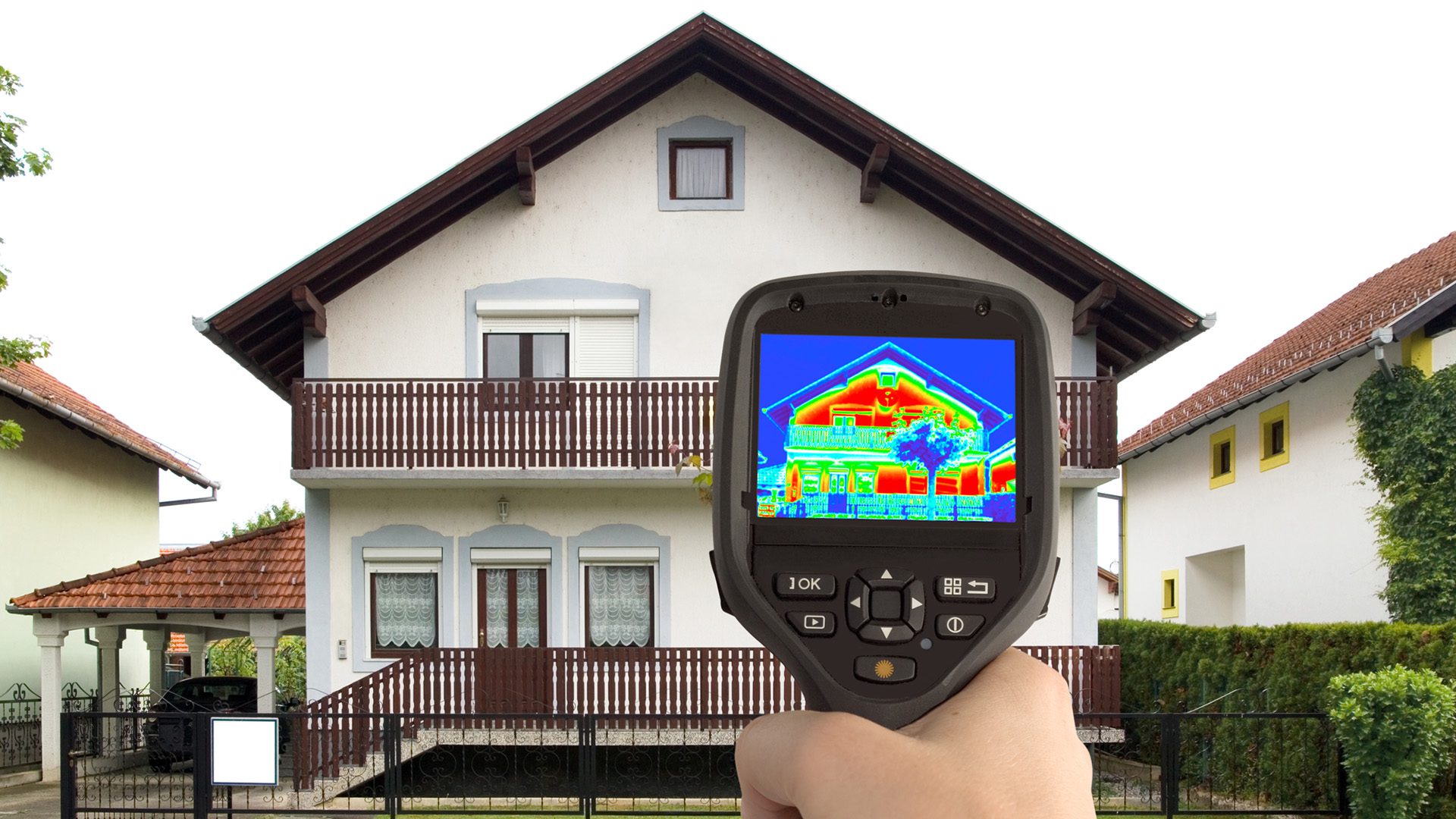
Reality: General inspections rarely include blower door testing or thermal imaging. An energy audit is specialized and proactive, letting you address issues before they become buyer objections.
How Home Energy Audits Work
An energy audit is a structured assessment of where your home gains or loses heat, how air moves through the structure, and how efficiently equipment runs. Here’s a clear snapshot of the process and what you gain from each step.
Step-by-step audit process
| Step | What happens | Typical time | Benefit to sellers |
|---|---|---|---|
| 1. Intake & utility review | Auditor gathers last 12 months of energy bills and a brief home history. | 15–20 min | Sets a baseline you can later share with buyers to show improvements. |
| 2. Exterior walk-around | Inspects siding gaps, penetrations, foundation, and attic/soffit vents. | 15–30 min | Flags visible leakage points to fix quickly. |
| 3. Interior survey | Checks attic hatch, recessed lighting, door weatherstripping, outlets on exterior walls, and basement rim joists. | 30–45 min | Identifies the highest ROI sealing opportunities. |
| 4. Blower door test | Creates slight pressure to reveal air leakage via a calibrated fan. | 20–30 min | Quantifies leakage to prioritize fixes and document improvement. |
| 5. Thermal imaging | Infrared camera shows hidden drafts and insulation gaps behind walls/ceilings. | 15–30 min | Visual proof of issues to correct before listing photos. |
| 6. Recommendations & quick fixes | Auditor provides a written plan and may complete minor sealing on the spot. | 15–30 min | A punch list you can act on immediately. |
What savings can look like
Actual results vary by home, but this simple visual reflects common potential.
Combine these measures, and many homes see noticeable comfort gains and fewer drafts within days, often cutting winter fuel use appreciably.
Most Effective Air Sealing Tactics That Don’t Break the Bank
If you only have a weekend before listing photos, start with these high-impact, low-cost actions.
| Tactic | DIY or Pro | Typical cost | Time | Why it helps |
|---|---|---|---|---|
| Weatherstrip exterior doors | DIY | $15–$50 per door | 30–60 min/door | Immediate draft reduction where buyers feel it first. |
| Seal attic hatch and add insulated cover | DIY or Pro | $40–$150 | 1–2 hours | Stops top-of-house heat loss that drives stack effect. |
| Foam and caulk basement rim joists | DIY or Pro | $50–$300 | 2–4 hours | Cuts cold air infiltration at the foundation perimeter. |
| Gaskets behind outlets/switches on exterior walls | DIY | $10–$25 for a multi-pack | 1–2 hours | Eliminates a surprising source of wall drafts. |
| Seal around plumbing, flues, and wire penetrations | DIY or Pro | $10–$60 | 1–3 hours | Reduces hidden pathways for air leakage and pests. |
| Recessed light air-tight baffles (IC-rated cans only) | Pro recommended | $10–$30 each | Varies | Stops ceiling leakage without compromising safety. |
How Energy Upgrades Help Sell upstate ny houses for sale
Buyers love tangible, verifiable improvements. When you complete an audit and tackle targeted sealing, you gain compelling talking points for your listing and open houses. Consider including items like these:
- “Independent energy audit completed in 2025; blower door test and thermal imaging available upon request.”
- “Air sealing at attic hatch, basement rim joists, and exterior penetrations; upgraded door weatherstripping.”
- “Average monthly energy bills reduced by 18% after improvements.”
For agents and buyers, this documentation signals a well-cared-for home that will likely be more comfortable and cheaper to run—two things that reduce friction during negotiations.
Tools, Rebates & Tax Incentives for Upstate NY Sellers
New York State and federal programs can lower your out-of-pocket costs. While eligibility and amounts change, here’s a practical overview to guide your pre-list plan:
- State energy audits: Many Upstate homeowners qualify for reduced-cost or even no-cost professional energy assessments through state-supported programs. Book early—auditors can fill up during peak seasons.
- Utility rebates: Local utilities often offer rebates for air sealing, insulation, smart thermostats, and efficient equipment. Combine rebates with tax credits where allowed.
- Federal tax credits (25C): Credits for insulation and air sealing materials are available up to annual limits, and high-efficiency HVAC/heat pumps may qualify for larger credits. Keep receipts and contractor invoices.
- Documentation matters: Save model numbers, product labels, and photos of installed measures. These help with rebate submissions, tax prep, and buyer confidence at sale time.
- Schedule an audit and ask the provider to flag all rebate-eligible measures.
- Confirm program requirements (e.g., photos, invoices) before work begins.
- Submit rebate applications as soon as work is completed—processing can take weeks.
- Share the completed measures and any approval letters with potential buyers.
Case Study: Albany Colonial Before/After
Here’s an illustrative example based on common results for a 1960s, 1,900 sq. ft. colonial in Albany County:
| Item | Before | After | Notes |
|---|---|---|---|
| Comfort | Drafty living room, cold bedrooms over garage | Even temps; drafts largely eliminated | Rim joists sealed; attic hatch insulated; garage separation sealed |
| Annual energy spend | $2,650 | $2,150 | ~$500/year reduction |
| Days on market | 28 | 16 | Documentation and comfort helped drive faster offers |
| List-to-sale price ratio | 98% | 101% | Multiple offers; buyers valued improvements |
| Total project cost | — | $1,150 (after rebates) | Included audit, materials, and pro sealing hours |
ROI snapshot
Beyond the math, quieter rooms and more stable temperatures gave buyers immediate, positive feedback—something you can’t fake in a showing.
When to Consider Professional Help vs. DIY
Many sealing tasks are DIY-friendly, but certain situations call for experienced pros. Use this quick decision guide.
DIY is usually fine if:
- You’re sealing visible gaps around doors, windows, baseboards, outlet boxes, and attic hatches.
- You’re adding foam gaskets or weatherstripping and can follow clear instructions.
- You have safe access and adequate protective gear for attic or basement work.
Hire a pro if:
- You need a blower door test, thermal imaging, or duct leakage testing to prioritize the most impactful fixes.
- You’re sealing around combustion appliances, flues, or recessed lights and want to ensure safety and code compliance.
- You plan to add insulation after sealing and want to maximize performance and rebates.
- Your timeline is tight and you need a team to complete multiple tasks in one visit.
How this fits into your bigger move
Energy improvements can be a stand-alone pre-list strategy or part of a broader decision about whether to update or move. If you’re trying to decide whether to invest more in your current home or put your resources into your next one, this guide can help: Remodel or Sell? Deciding When Your Albany Home No Longer Fits.
If you’re under pressure due to late payments or job changes, reducing monthly utilities can buy you breathing room while you consider options. For a primer on timelines, disclosures, and strategy, read: Understanding the Pre-Foreclosure Market in NY: Insights from Local Real Estate Companies.
FAQ: Energy Audits, Air Sealing, and Pre-List Strategy
1) How soon before listing should I schedule an energy audit?
Ideally 3–6 weeks before photography. That window gives you time to schedule the audit, complete recommended quick fixes, process any rebates, and collect updated utility bills for your listing package.
2) Will an energy audit replace a buyer’s inspection?
No. A standard home inspection and an energy audit serve different purposes. But presenting audit findings and completed improvements can reduce buyer concerns and sometimes minimize inspection-based negotiations.
3) What documentation should I show buyers?
Provide a one-page summary with: the audit date, the top issues found, the fixes you completed, copies of receipts/invoices, and a 12-month utility cost snapshot (before and after). Optional: include a couple of thermal images to visualize improvements.
4) If I’m listing in two weeks, what should I prioritize?
Target quick wins with visible comfort impact: weatherstrip doors, seal the attic hatch, add outlet/switch gaskets on exterior walls, and foam obvious rim-joist gaps. If possible, schedule a blower door test to pinpoint the biggest leaks.
5) Do I need new windows to impress buyers?
Not necessarily. Windows are expensive and often deliver less savings than air sealing and attic work. If your windows function and look fine, start with sealing. You can always discuss window upgrades and pricing with buyers later.
6) How much should I invest before listing?
Many sellers set a pre-list budget of $500–$2,000 for energy improvements. Done right, that can produce outsized benefits in comfort, presentation, and operating cost—while supporting stronger offers.
Putting it all together
Completing an energy audit and focusing on targeted air sealing is one of the smartest pre-list investments you can make in Upstate NY. You’ll feel the difference immediately, you’ll have credible documentation to share with buyers, and you may even qualify for incentives that defray your costs. If you plan to list among other upstate ny houses for sale this season, this strategy helps your home show better, sell faster, and support a stronger bottom line.
For tailored guidance on which upgrades will resonate most in your neighborhood—and how to position them in your marketing—reach out to Anthony Gucciardo. With the right plan, you’ll cut bills before you list, and win the market on comfort, value, and trust.


When a form appears to accept empty input, it is worth distinguishing a truly empty field from a string made of Unicode whitespace or zero-width code points. Invisible Text can help test that distinction by letting people copy a character, choose a length, and verify the output before pasting it elsewhere. That small check is useful for troubleshooting validation rules, display quirks, and text-processing behavior without assuming every blank-looking value is identical.