

What Happens to a Solar Lease When You Sell Your Colonie Home?
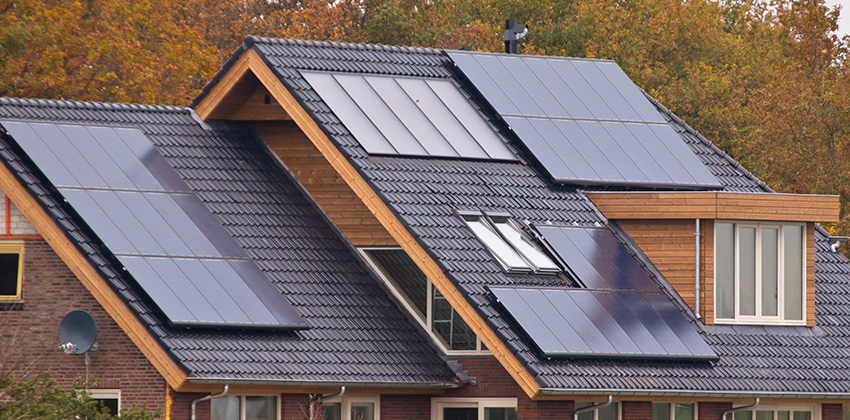
When I prepare a Colonie house with solar panels for sale, I would start with the agreement rather than the utility savings. A seller can own the house while a separate company owns the equipment on its roof. NYSERDA’s homeowner guide explains why third-party ownership can add conditions to a home sale and why the transfer terms need to be read.[1]
The homeowner situation in this article is an illustrative example, not a report of a specific customer or completed job.
Imagine a homeowner planning a November listing before a move in the new year. There are solar panels on the south-facing roof, an automatic payment each month, and a folder labeled solar. The owner initially describes the system as included with the house. I would want to establish exactly what included means before using that phrase in the listing.
Identify the obligation before promising the benefit
A loan, a lease, and a power purchase agreement are not interchangeable. With a lease or PPA, the next owner may need to take over an agreement with the equipment owner. With financed ownership, the relevant issue may instead be the loan and its security terms.[1] The monthly bill alone does not establish which arrangement applies.
I would ask the seller for the signed agreement, amendments, current account information, and the provider’s transfer instructions. New York’s Department of Public Service says rooftop-solar contracts should identify responsibilities, restrictions on transferring the system or property, and termination terms.[2] Those are the provisions that can shape this sale.
Our property-paperwork article addresses the wider process of matching a seller’s claims to records. For selling a home in Colonie, I would give the solar agreement its own place in that preparation. A clean roof photograph cannot tell the buyer what payment or contractual responsibility follows the purchase.
“Before I describe solar as a selling feature, I want to know what the next owner would actually be taking over. The contract matters more than a photograph of the panels.”
Anthony Gucciardo, Broker/Owner, Gucciardo Real Estate Group
Transfer, prepayment, and purchase answer different questions
The seller’s next question might be whether paying the remaining amount makes the panels owned equipment. I would not assume that. A payment can satisfy future service charges without transferring ownership of the physical system. Sunrun’s moving guidance, for example, describes prepaying the remaining service so the buyer receives power through the end of the agreement.[3]
That is different from an equipment purchase permitted by the actual contract. Whether a purchase option exists, when it may be exercised, and how its price is calculated need a written answer from this seller’s provider. I would not use an online average or another homeowner’s settlement as the figure for a Colonie transaction.
The transfer process also varies by company. Tesla currently instructs sellers to initiate its home-sale process once they are in contract with a buyer, and describes contact, agreement signatures, and any relevant title-document release.[4] I can help assemble the information earlier without promising that every provider follows Tesla’s sequence or completes it on the same timetable.
For the illustrative November listing, that preparation means understanding the available paths before negotiating one. It does not mean paying a speculative buyout charge before the seller knows what the agreement allows or what a prospective buyer prefers.
Provider acceptance does not replace the mortgage review
A buyer agreeing to take over the solar contract does not settle the lender’s separate questions. Fannie Mae’s guidance requires lenders handling covered loans to obtain and review the lease or PPA. Its treatment of payments depends on the agreement’s structure; it is not correct to say that every solar payment is always counted in exactly the same way.[5]
I would ask the buyer’s lender to review the actual documents rather than interpret the underwriting rules for them. This keeps the transaction discussion specific. A provider’s willingness to transfer an account and a lender’s willingness to approve a mortgage are different decisions.
The same distinction belongs in offer review. Our guide to comparing offers covers the broader negotiation. The solar issue adds a defined question: what agreement will the buyer assume, what approvals are required, and what happens if the planned transfer cannot be completed? The parties’ attorneys should address the contract terms.
Let the title professionals identify the filing
Solar paperwork can include a UCC notice or a recorded instrument. The presence of UCC in a document does not by itself tell a broker what it covers or how it must be handled. New York’s Department of State explains that fixture filings and other financing statements can have different filing locations.[6]
Fannie Mae also distinguishes a precautionary filing covering leased solar equipment from other financing structures.[5] I would therefore avoid declaring that the solar company has a mortgage on the entire home—or that a filing can be ignored. The title company, attorneys, and provider need to identify the actual instrument and any release or other action required for this closing.
The utility handoff is another task
For a home served by National Grid, its Solar Hub provides a New York ownership-transfer route and directs customers to the appropriate instructions.[7] The seller should use the route for the actual service territory and system arrangement. Completing a solar-company agreement does not automatically document every utility-account step.
This matters during a fall move because several dates can be in play: the sale, possession, utility service, and the provider’s account change. I would put the responsible contacts and outstanding actions into the transaction discussion instead of promising that everything changes when the keys do.
If the provider’s instructions are unclear, NYSERDA’s Solar 101 page explains New York consumer inquiry and complaint routes.[8] Asking for a written clarification is more useful than filling a gap with a broker’s guess.
For the Colonie seller, a successful preparation is straightforward: identify what is owned, establish what transfers, and let the responsible parties confirm their requirements. Our home-selling playbook puts that work in the larger listing process. Solar can still be part of the property’s appeal, but the next owner should understand the agreement as clearly as the equipment.
Sources
- New York State Homeowner’s Guide to Solar Leases, Loans, and Power Purchase Agreements — NYSERDA
- Rooftop Solar Consumer Factsheet — New York State Department of Public Service
- Moving Made Easy: Solar Service Transfers — Sunrun
- Transferring Ownership of Your Solar System — Tesla Support
- Special Property Eligibility Considerations: Properties With Solar Panels — Fannie Mae Selling Guide
- Filing Under Article 9 of the Uniform Commercial Code — New York Department of State
- Solar Hub: Moving — National Grid
- Solar 101: Consumer Protections — NYSERDA


