





How Do I Stage My Albany NY Home on a Budget to Sell Fast?
Summary
- Spend first on light, paint, and space — these change photos and showings most.
- Stage to Albany seasons: curb appeal matters less in winter; interiors do more work.
- Use what you own; rent selectively only where rooms confuse buyers.
- Stop staging when costs exceed likely price or time-on-market gains.
- Decide with local comps, not national rules — the Capital Region rewards neutrality and function.
Introduction
Budget staging in Albany is not about turning a 1920s bungalow into a glossy model home. It’s about removing friction for buyers in the Capital Region’s practical, price-aware market. The goal is simple: faster, cleaner decisions that support the best net outcome you can reasonably achieve.
In our work as real estate agents in Albany and across the local housing market, we see the same pattern. Small changes that improve light, space, and function move the needle. Expensive rentals and trendy accents usually do not. This guide covers what matters in Albany, what to bypass, and how to stage with restraint so you keep dollars aligned with local returns.
Why staging matters specifically in Albany and the Capital Region
- Older housing stock: Many homes have smaller rooms, darker woodwork, and mixed updates. Staging that brightens and clarifies layout reduces buyer hesitation.
- Four-season realities: Winter listings rely on interior photos and lighting. Summer traffic is stronger, but competition also increases. Staging smooths seasonal swings.
- Practical buyers: Capital Region buyers respond more to condition and function than to designer statements. Neutral, clean, and well-lit consistently beats high-style setups.
- Commutable submarkets: Latham, Colonie, Guilderland, Delmar, and East Greenbush see steady demand, but buyers compare aggressively. Staging helps your home meet the short list.
Common staging misconceptions we see
1) “Staging is expensive by default”
In this market, the highest ROI usually comes from cleaning, decluttering, painting a few key walls, and improving light. High rental fees or full-home furnishings are rarely needed.
2) “Luxury furnishings sell any house”
Albany buyers judge floor plans, storage, natural light, and maintenance. Luxury props don’t hide functional issues and can set mismatched expectations.
3) “Buyers can imagine it”
Some can. Many will not. If a room’s purpose isn’t obvious or if scale is unclear, buyers discount. Sparse but clear furniture beats empty confusion.
Budget decisions that actually change outcomes
Decluttering and depersonalizing
- Remove 30–40% of visible items: counters, open shelves, closets, mudrooms.
- Box seasonal gear and store offsite if possible; garages can hold neat, labeled bins.
- Replace personal photos with neutral art or leave walls clean.
Furniture: use vs removal
- Keep: one sofa, two chairs, one coffee table in living rooms; one bed and two nightstands in bedrooms.
- Remove: oversized sectionals that block paths, extra dressers, duplicate dining hutches.
- Borrow or swap: smaller-scale pieces from another room can fix crowding without rentals.
Neutral paint tradeoffs
Fresh paint can lift photo quality and perceived care. In Albany’s older homes, aim for soft neutrals that balance trim and floors. Paint fewer, higher-impact zones if budget is tight.
- Best first targets: entry, main living area, kitchen walls, and the primary bedroom.
- Skip full-house repaint if condition is already decent and color is neutral or light.
Lighting realities in Upstate NY homes
- Use 3000–3500K bulbs for warm-clear light in photos.
- Add a floor lamp where corners go dark; swap dated fixtures only where they dominate a room.
- Clean windows, open blinds, and remove heavy drapes; sheers are fine.
Curb appeal limits in seasonal markets
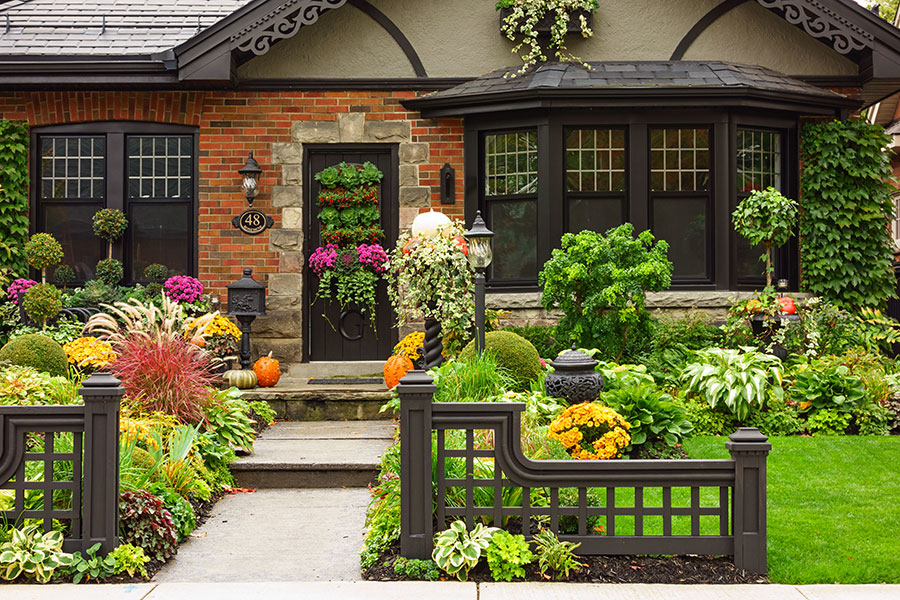
- Spring–Fall: edge beds, add mulch, prune, and add one simple planter by the entry.
- Winter: clear paths fully, add a dark, clean doormat, and ensure street numbers are visible. Photos carry more weight than plants this time of year.
DIY décor swaps that help vs hurt
- Help: neutral duvet, two matching lamps, simple shower curtain, fresh towels, one large art piece per wall.
- Hurt: busy gallery walls, heavy area rugs over beautiful hardwoods, trendy colors that date quickly.
Quick budget comparison table
| Staging Action | Typical Cost (Albany) | Impact on Photos/Showings | When It’s Worth It | When to Skip |
|---|---|---|---|---|
| Deep clean + declutter | $150–$500 (DIY to pro) | High | Always; foundation step | Never skip |
| Targeted painting (2–4 rooms) | $300–$1,200 (DIY to pro) | High | Bold/dingy walls; mixed trim | If walls already neutral and clean |
| Lighting upgrades | $50–$400 | Medium–High | Dark rooms; dated focal fixtures | If lighting is already sufficient |
| Selective furniture rental (1–2 rooms) | $300–$900 per month | Medium | Undefined rooms; odd layouts | When you already own usable pieces |
| Curb appeal refresh | $50–$250 | Medium (low in winter) | Spring–Fall listings | Harsh winter; focus inside instead |
Seasonal scenario breakdown
| Season | Main Risk | Priority Staging Moves | What Matters Less |
|---|---|---|---|
| Winter | Dark photos, salt/slush | Bulb upgrades, lamps, clean entry, bright textiles | Extensive landscaping |
| Spring | Competition as inventory rises | Mulch, pruning, neutral paint touch-ups | High-cost rentals |
| Summer | Heat, lawn burnout | Shade on showings, tidy lawn edges, light linens | Heavy drapes or dark bedding |
| Fall | Shorter days, leaf litter | Exterior cleanup, warm-clear lighting, simple porch decor | Complex holiday themes |
Step-by-step staging checklist for Albany homeowners
- Assess light and traffic: Walk each room at noon and at dusk. Note dark corners, blocked paths, and clutter zones.
- Remove volume: Pack 30–40% of items from surfaces and closets. Label bins. Move extras to garage neatly or offsite.
- Repair and clean: Touch up dings, recaulk tubs, tighten hardware. Get a full clean including windows and baseboards.
- Define rooms: Decide what each room is. Stage accordingly with minimal furniture that shows scale.
- Paint surgically: Prioritize bold or worn rooms. Choose one neutral tone that connects spaces.
- Upgrade light: Replace dark bulbs, add two lamps where needed, and clean or replace one dated focal fixture.
- Streamline decor: One art piece per wall, fresh white towels, simple bedding, and clear counters.
- Manage smell and sound: Neutral scent only; quiet mechanical noises with simple maintenance where possible.
- Front entry control: Fresh mat, clean door, visible numbers, working bell/lock, and swept steps.
- Photo-day prep: Open blinds, turn on all lights, hide trash cans, park cars off the driveway, and remove pet items.
How staging affects time on market, pricing leverage, and negotiation in Albany
- Time on market: Homes that feel bright, clean, and functional attract earlier offers, especially in the first two weeks when buyer attention is highest.
- Pricing leverage: A home that presents well justifies firmer initial pricing within the local housing market’s comp range. Weak presentation pushes buyers to ask for discounts upfront.
- Negotiation behavior: Clear, cared-for homes get cleaner offers with fewer repair asks. Clutter and minor neglect invite “what else is wrong?” thinking and larger concessions.
When staging costs stop making sense
- Low ceiling on price: If comps cap your home’s value tightly, heavy staging spend won’t jump a price tier.
- Major functional issues: Layout problems, roof/HVAC age, or damp basements won’t be solved with decor. Address or price accordingly.
- Extended timeline risk: If your move date is uncertain, monthly rental furnishings can become a drag on net proceeds.
- Already neutral and bright: If photos look sharp and rooms read clearly, more staging often adds cost without benefit.
How to evaluate cost vs return in the Albany market
A simple local lens helps: will a change improve first-impression photos and clarify room function? If yes, estimate whether it could reduce days on market or limit concessions by an amount that exceeds the cost.
Practical evaluation steps
- Pull three to five recent comparable sales in your area of Albany or nearby towns. Note photo quality and presentation level.
- Estimate your likely list range based on condition. Identify any visual gaps between your home and the best-performing comp.
- Price out only the changes that close those visual gaps: light, paint, declutter, simple landscaping.
- Set a cap: Many sellers do well with a $300–$1,500 staging budget focused on the core moves above.
In our work as real estate agents in Albany, we see that disciplined, targeted spending moves faster than broad, stylistic makeovers.
Market pattern explanations that influence staging choices
- Photo-first browsing: Most Capital Region buyers shortlist homes from photos before touring. Staging that improves photos is non-negotiable.
- Functional clarity: Split-levels, converted attics, and older dining rooms benefit from clear staging to define use. Undefined rooms sit.
- Storage signals: Clean closets and organized mudrooms reduce “not enough space” objections more than stylish accessories do.
- Maintenance cues: Fresh caulk, clean vents, and modern bulbs send a care message that outperforms decorative spending.
FAQ
Will a fully empty house sell slower in Albany?
Often. Empty rooms make scale hard to judge, especially in pre-war homes. A few right-sized pieces help buyers read the space and can shorten time on market.
Do I need to rent furniture?
Only when a room’s purpose or scale is unclear. If your existing pieces are oversized, remove them and borrow or buy one or two affordable items instead of a full rental package.
How important is curb appeal in winter?
Less than in spring, but not zero. Clear the path fully, add a good doormat, and ensure house numbers are visible. Spend more inside on light and paint during winter months.
Should I repaint all trim white?
Not always. In many Albany homes, stained woodwork is a feature. Focus on walls first. Consider trim only if it is damaged, mismatched, or heavy in a small, dark room.
Do buyers searching “stagers near me” expect a designer look?
Most Capital Region buyers value clean, bright, and functional over designer. A restrained approach lines up better with local expectations and budgets.
What about strong personal style?
If it competes with the home’s features or reads dark in photos, neutralize it. If it’s already light and simple, keep it.
Conclusion
Budget staging in Albany works when it solves local buyer friction: light, scale, function, and care. Spend where photography and clarity improve, pause where costs overrun likely returns, and let the Capital Region’s practical preferences guide each decision. A clean, neutral, and well-lit home earns attention quickly and holds the line better when offers arrive.


I really appreciate the practical tips you’ve shared for selling a home faster, especially the emphasis on staging and curb appeal. One additional perspective I’d like to offer is the power of digital marketing in today’s market. In my experience with platforms like Snow Rider, showcasing a property through engaging virtual tours can attract more potential buyers who may not be able to visit in person. This could complement your suggestions beautifully by reaching a wider audience! It’s fascinating how technology can enhance traditional sales methods. Thank you for sparking this conversation!